Athletic Recruiting Costs:
The Real Cost and Why Most Families Overspend
College baseball recruiting has quietly become one of the most expensive parts of the youth sports journey. Athletic recruiting costs continue to rise each year as families invest thousands of dollars with the hope that exposure will eventually turn into opportunity.
For many athletes, it never does.
The issue is not effort, talent, or commitment. The issue is cost paired with uncertainty.
This article breaks down where athletic recruiting costs actually go, why those investments often fail to produce results, and what a more effective, affordable recruiting approach looks like today.
the recruiting costs stack: what families really spend
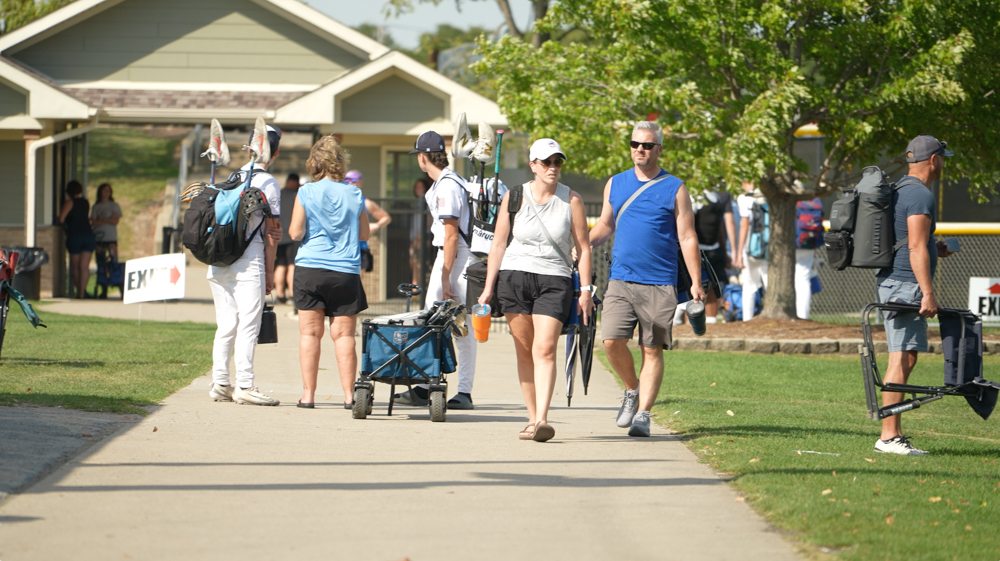
Most families do not realize how quickly recruiting-related expenses add up because they are spread across many categories. Individually, each expense feels justified. Together, they create a heavy financial burden and drive overall athletic recruiting costs higher each season.
a realistic, conservative snapshot for one year:
total: $7,500-$10,000 + per year
and none of it comes with a guarantee.
Families spend this money with the hope that the right coach is watching at the right time. Often, that moment never comes.
why spending More does not equal getting recruited
Most recruiting money is spent chasing moments.
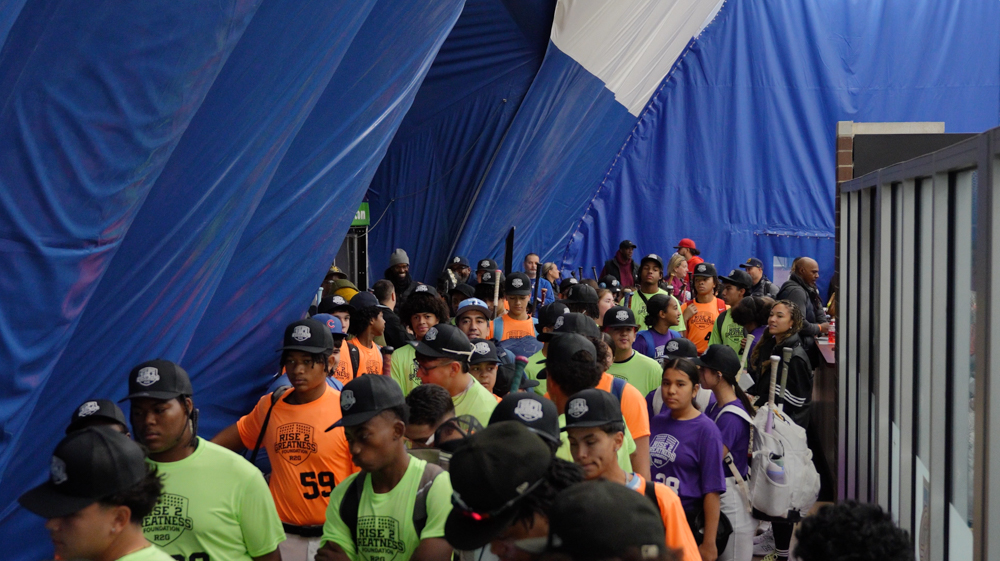
A showcase lasts one weekend. A camp lasts a few hours. A lesson improves skill but does not create visibility on its own. Once the event ends, exposure usually ends with it.
Meanwhile, college coaches operate very differently than families expect.
how college coaches actually evaluate recruits

College coaches have limited time and massive player pools. To manage this, they filter quickly.
Random numbers from an event, scattered video links, or one-time performances are difficult to evaluate and even harder to track over time.
This is where many athletes fall through the cracks.
most coaches prioritize
The Real Recruiting Gap: Visibility,Context, and Access
The recruiting challenge is not talent. It is structure.
Athletes train, compete, and improve year-round, yet their information lives in scattered clips, temporary results, and disconnected platforms.
Performance without organization fades quickly.
What athletes truly need:
- Ongoing presence beyond a single weekend
- Clear performance context, not just raw numbers
- A simple way for coaches to access and evaluate them
QuestFit Brings Structure to Year-Round Recruiting
Athletes build a profile that grows with them and tracks measurable progression.
Instead of scattered exposure, everything lives in one organized system.
Development is visible, structured, and sustained.
Inside QuestFit:
- Performance data and video live together
- Metrics are verified through trusted baseball technology (Rapsodo, HitTrax, TrackMan, and more)
- Development is tracked over time, not captured in moments
- Coaches evaluate growth patterns, not isolated highlights
How QuestFit Helps Athletes Get Recruited
QuestFit supports recruiting outcomes, not just recruiting activity. It gives athletes credibility, clarity, and control throughout the process.
Recruiting is not about doing more. It is about presenting better.
When performance is structured, verified, and organized, evaluation becomes easier and opportunity becomes clearer.
get found
- Shareable athlete profiles
- A searchable national database used by college coaches
- Information formatted for quick evaluation
get organized
- One centralized recruiting hub instead of scattered links
- Clear development timelines
- Structured presentation that saves coaches time
Get Trusted
- Verified metrics paired with video context
- Position-based performance comparisons
- Data that guides recruiting
find your fit
- Data on 1,600+ college programs
- Tools to target schools that match your level
- Outreach guided by information, not guesswork
Built From Experience
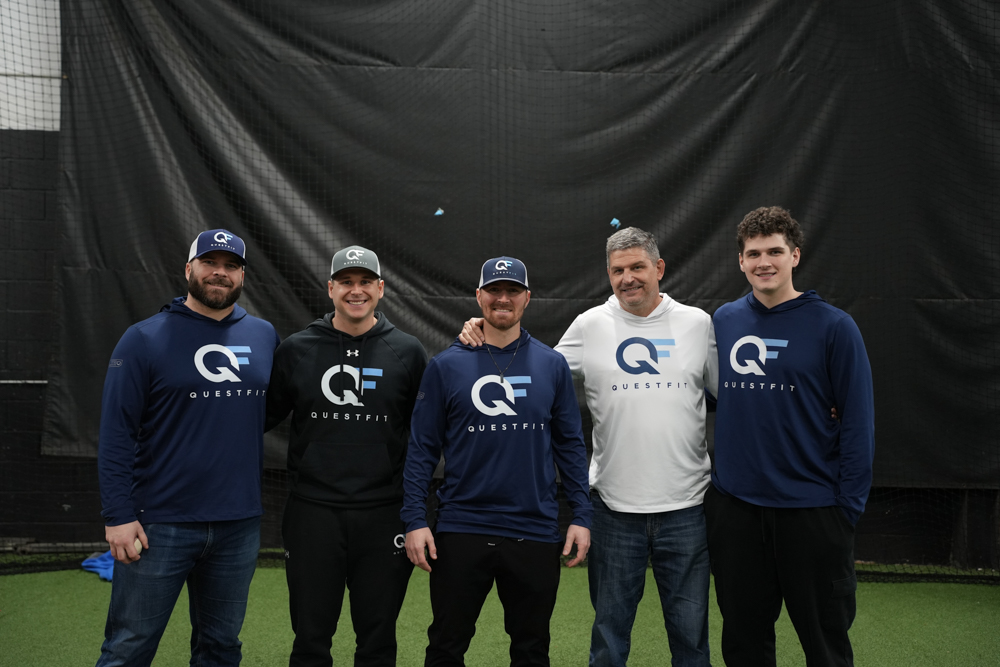
QuestFit was created by people who have lived every side of the recruiting process.
Our team includes former college athletes, college coaches, parents who navigated recruiting firsthand, and program directors responsible for helping athletes move on to the next level.
We saw talented players overlooked. We saw families overspend. We saw coaches struggle to evaluate with incomplete information.
Those experiences shaped everything we built.