Today's college baseball recruiting process starts long before a coach ever sees you play in person. Before they invest time and money traveling to games, coaches are looking online to evaluate athletes. A well-built profile can be the difference between getting overlooked and getting a second look.
The questions we hear all the time are, "Where do I start?" What should be on my profile? What do college coaches actually care about? The good news is it doesn't have to be complicated. If you focus on the right things, you'll make it much easier for coaches to evaluate you.
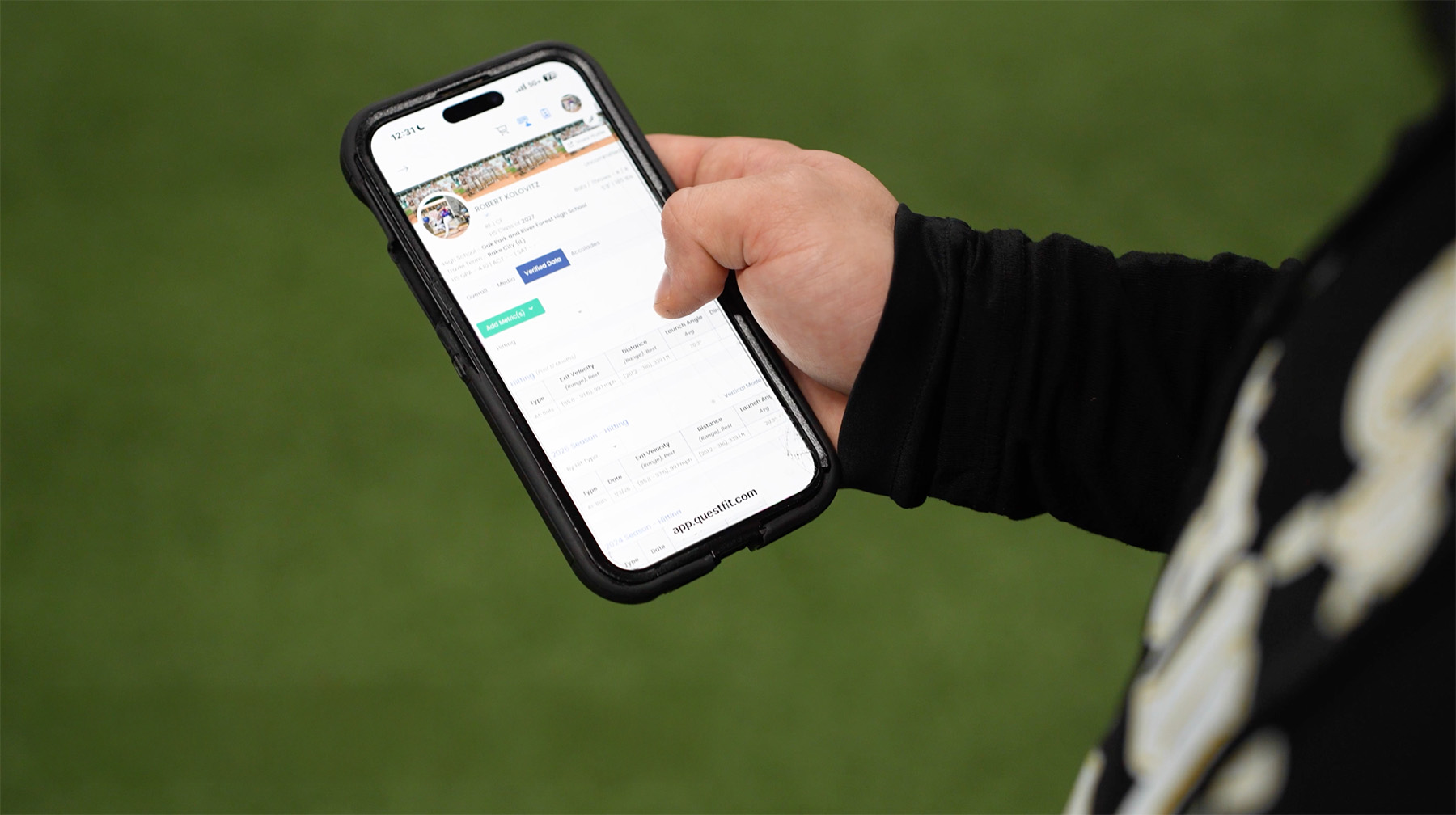
When building your recruiting profile, there are three main things every athlete should have: video, verified metrics, and statistics. Think of your profile as your baseball resume. It should tell coaches who you are, what you can do, and why they should come watch you play.
Start with your video. Coaches want to see how you move, how you compete, and what kind of player you are. Game video is always best, but bullpen sessions, batting practice, and defensive work can all help show the player you are. Make it easy for a coach to find and watch your best clips. If they have to dig through social media or search for multiple links, there's a good chance they'll move on to the next player.
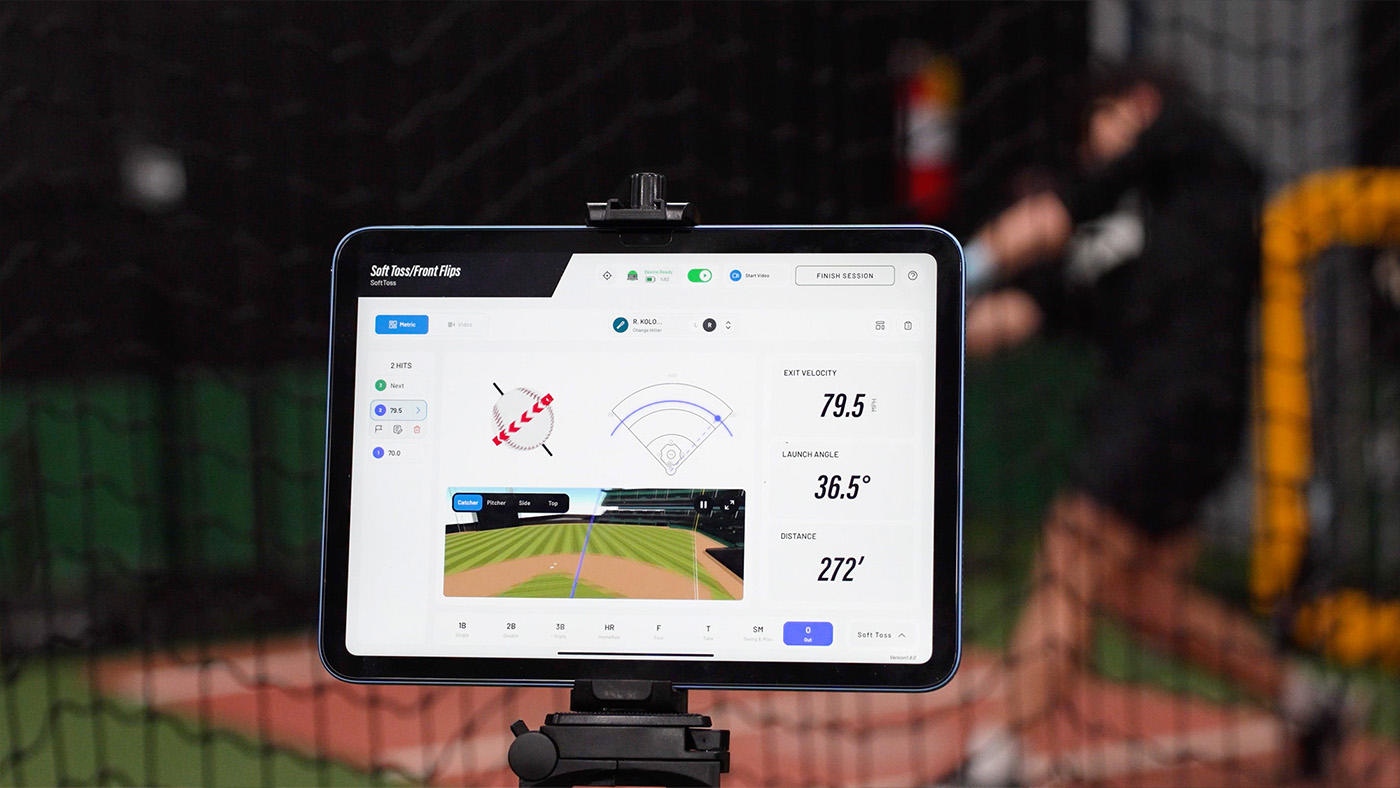
Next are your verified metrics. Numbers like exit velocity, pitch velocity, spin rate, 60 yard dash times, pop times, and other verified data help coaches compare athletes quickly. Numbers don't tell the whole story, but they help coaches decide if they should take a closer look. Keep your metrics current and make sure they're accurate. They are one of the easiest ways to grab a coach's attention.
Stats matter too, but they shouldn't be the only thing on your profile. Coaches know stats can look different depending on the level of competition, the conference you play in, or even the schedule your team has. That's why they want to see your video and verified metrics too. Together they give coaches a much better picture of the player you are.
Once you have those three pieces, it's time to fill out the rest of your profile. Include your name, graduation year, height (don't lie), weight, primary position and secondary position, throwing and hitting handedness, high school, travel organization, and any other basic information a coach would want to know. Complete profiles are much easier for coaches to evaluate than ones with missing information.
One of the biggest mistakes we see is with contact information. College coaches are recruiting you, not your parents. If they're interested, they want to call or email you directly. Make sure your phone number and email address are easy to find, professional, and current. It sounds like a small detail, but we've seen athletes miss opportunities simply because a coach couldn't get in touch with them.
Finally, include two or three references who can speak about both your ability as a player and your character as a person. High school coaches, travel coaches, teachers, and employers are all great options. Avoid putting family members or friends. Coaches want to hear from people who have worked with you and can honestly speak about your work ethic, attitude, and coachability.
At the end of the day, your recruiting profile should make a coach's job easier. Coaches are evaluating hundreds of athletes every year, and they don't have time to search for missing information. The more complete and organized your profile is, the easier it is for a coach to evaluate you and decide if you're someone they want to keep following.
Every recruiting journey starts somewhere. Create your free QuestFit Player Profile and start building your recruiting presence today. As you continue through the recruiting process, you can upgrade your profile with verified data, technology reports, recruiting tools, and college matching features when you're ready. Whether you're just getting started or getting serious about finding the right fit, QuestFit is built to grow with you.